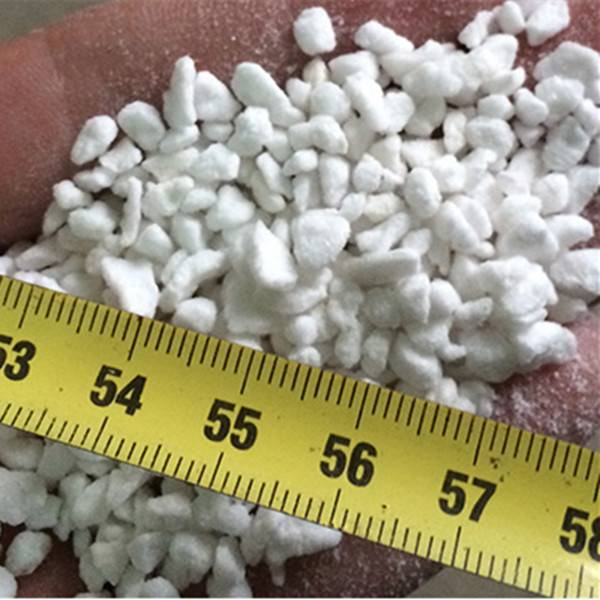
soil without perlite
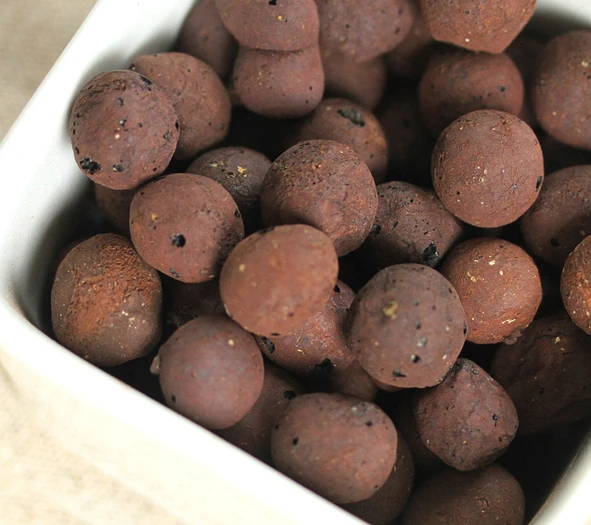
The Strategic Role of Expanded Clay Pebbles in Modern Horticulture and Infrastructure The global agricultural and green infrastructure sectors are continuously seeking innovative and sustainable solutions to enhance efficiency, reduce resource consumption, and improve plant health. Among these advancements, the application of lightweight aggregates has gained significant traction. Specifically, 4-8mm Expanded Clay Pebbles for soil Amendment stand out as a versatile and high-performance medium for a myriad of professional applications, from advanced hydroponic systems to sophisticated green roof designs. Their unique physical and chemical properties make them indispensable in scenarios demanding excellent aeration, optimal moisture retention, and inertness. Industry trends indicate a clear shift towards soilless cultivation methods and sustainable urban development. Hydroponics, aquaponics, and vertical farming are experiencing exponential growth, driven by the need for localized food production, reduced water usage, and higher yields. Concurrently, urban planners are increasingly integrating green roofs, permeable paving, and bioretention systems to manage stormwater, mitigate urban heat island effects, and enhance biodiversity. In all these emerging fields, the specific granulometry and characteristics of expanded clay pebbles—such as their consistent 4-8mm size—offer distinct advantages that address contemporary challenges head-on, ensuring robust plant growth and long-term system stability. Manufacturing Process: Precision Engineering for Optimal Performance The production of high-quality 4-8mm Expanded Clay Pebbles for soil Amendment is a meticulously controlled industrial process designed to create a lightweight, porous, and durable aggregate. This process ensures the consistent performance required for demanding B2B applications. Key Steps in the Manufacturing Flow: Raw Material Selection: High-quality, plastic clay with specific mineralogical compositions (e.g., illite, montmorillonite, kaolinite) is sourced. This clay must contain a suitable percentage of organic matter or iron oxides, which act as gas-producing agents during firing. Preparation and Homogenization: The raw clay is crushed, screened, and mixed with water to achieve a consistent plasticity. This ensures uniform expansion and prevents internal stresses during the subsequent firing process. Pelletization/Granulation: The homogenized clay mixture is fed into rotating drums or pelletizers, forming small, spherical or irregularly shaped pellets. The size of these green pellets is critical in determining the final expanded pebble size. Drying: The green clay pellets are dried at controlled temperatures to remove excess moisture, preventing cracking or explosive expansion in the kiln. This pre-treatment optimizes energy efficiency in the next stage. Rotary Kiln Expansion (Firing): This is the most critical step. The dried pellets are fed into large rotary kilns and heated rapidly to temperatures between 1100°C and 1300°C (2000°F - 2370°F). At these temperatures, the organic matter or mineral compounds within the clay produce gases (e.g., CO2, SO2) that become trapped within the softened, vitrifying clay matrix. This causes the pellets to expand and form internal pores, significantly reducing density and increasing porosity. The rapid cooling afterward solidifies this expanded structure. Cooling: The hot, expanded pebbles are rapidly cooled to stabilize their structure and prevent further reactions. Screening and Sizing: Post-cooling, the expanded clay is passed through precise screening equipment to classify them into specific size fractions, ensuring the uniform 4-8mm Expanded Clay Pebbles for soil Amendment required by professional clients. Quality Control and Packaging: Batches undergo rigorous testing for density, porosity, pH neutrality, crushing strength, and absence of impurities. Products meeting ISO 9001 and internal quality standards are then packaged for shipment. The service life of expanded clay pebbles is virtually indefinite when used in horticulture or construction, as they are inert, non-degradable, and resistant to biological decomposition. Target industries include hydroponics, aquaponics, commercial horticulture, green roof systems, urban landscaping, and wastewater treatment biofilters. Their advantages manifest in energy saving (insulation in green roofs), corrosion resistance (chemically inert), and overall system longevity. Technical Specifications and Performance Advantages The efficacy of 4-8mm Expanded Clay Pebbles for soil Amendment stems from their well-defined physical and chemical properties. These attributes are crucial for engineers, agronomists, and project managers in selecting the optimal substrate for their applications. Product Specification Table: Parameter Specification Significance Particle Size 4-8mm (95% pass/retain) Ensures optimal capillary action, drainage, and root anchorage; prevents clogging in hydroponic systems. Bulk Density (dry) 280-350 kg/m³ Lightweight, reduces structural load in green roofs and planters; easy to handle. Water Absorption (by weight) 15-25% Excellent moisture retention without waterlogging, ensuring consistent hydration for roots. Total Porosity >80% Provides superior aeration, critical for root respiration and preventing anaerobic conditions. pH Range 6.0-7.5 (Neutral) Chemically inert, does not alter nutrient solution pH, providing a stable growing environment. Electrical Conductivity (EC) <0.5 mS/cm Low inherent salinity, preventing nutrient lockout or stress to sensitive plants. Compressive Strength >1.5 MPa Durable, resists compaction, maintaining structural integrity over long periods. Chemical Stability Inert, non-reactive Does not interact with fertilizers or plant roots, preventing nutrient imbalances or toxicity. Technical Advantages: Optimized Root Environment: The high porosity ensures an ideal air-to-water ratio, preventing root rot and promoting vigorous root development. This is critical in hydroponic systems where oxygen deprivation can severely impede growth. Superior Drainage and Aeration: The uniform 4-8mm size and spherical shape create consistent pore spaces, facilitating rapid drainage while retaining sufficient moisture within the individual pebbles. This prevents waterlogging and ensures excellent oxygen supply to the root zone. pH Stability and Inertness: Being chemically neutral and inert, these pebbles do not leach unwanted minerals or alter the pH of nutrient solutions, providing a stable and predictable growing medium. This simplifies nutrient management and reduces the need for pH adjustments. Reusable and Sustainable: Unlike organic substrates, expanded clay pebbles do not decompose. They can be cleaned, sterilized, and reused for multiple crop cycles, offering significant cost savings and reducing waste. Pest and Disease Resistant: As an inorganic medium, they are naturally resistant to soil-borne pests, fungi, and diseases, contributing to healthier plants and reducing reliance on chemical treatments. Lightweight and Structurally Sound: Their low bulk density makes them ideal for green roofs, vertical gardens, and other applications where structural load is a concern. Despite their lightness, they possess sufficient compressive strength to support plant weight and resist degradation. Versatile Application Scenarios for Expanded Clay Pebbles The unique properties of 4-8mm Expanded Clay Pebbles for soil Amendment render them invaluable across a diverse range of professional applications where precision, sustainability, and robust performance are paramount. Key Application Areas: Hydroponics and Aquaponics: As a primary growing medium, their excellent aeration and drainage prevent root rot, while their inert nature allows for precise nutrient control in recirculating systems. The 4-8mm size is ideal for flood-and-drain (ebb and flow) and deep water culture (DWC) systems, ensuring consistent water and nutrient delivery to the roots. Green Roofs and Vertical Gardens: The lightweight nature and superior drainage capabilities make expanded clay pebbles an indispensable component in extensive and intensive green roof substrates. They reduce structural load, provide excellent insulation, and facilitate efficient stormwater management. Container Gardening and Landscaping: Used as a lightweight additive or standalone medium, they improve soil structure, aeration, and drainage in large planters and urban landscaping projects, particularly where heavy soils are undesirable or nutrient run-off needs to be minimized. Wastewater Treatment (Biofilters): The high porosity and large surface area of the pebbles provide an ideal habitat for beneficial microorganisms in biofilters. These microbes break down pollutants in wastewater, making expanded clay an effective, sustainable solution for advanced treatment systems in the water supply & drainage sector. Plant Propagation and Cuttings: Their sterile and well-draining properties create an optimal environment for rooting cuttings and germinating seeds, reducing the risk of damping-off and promoting healthy early-stage development. Orchid Cultivation: Many orchid species thrive in media that provide excellent air circulation around their roots. The 4-8mm expanded clay pebbles mimic the natural epiphyte conditions, preventing overwatering and root decay. These varied applications underscore the adaptability and technical superiority of this substrate, catering to the exacting demands of modern agricultural and ecological engineering projects. Vendor Comparison and Customized Solutions Selecting the right supplier for 4-8mm Expanded Clay Pebbles for soil Amendment is as critical as understanding the product itself. Quality, consistency, and the ability to provide tailored solutions significantly impact project success and return on investment for B2B clients. Key Differentiators in Vendor Selection: Feature Standard Vendor Premium Vendor (e.g., Kehui Mica) Particle Size Uniformity Variable, often includes fines and larger pieces. Strict adherence to 4-8mm specification, minimal dust and oversized particles. ISO-certified screening processes. pH Neutrality Can fluctuate, may require pre-rinsing or pH adjustments. Consistently neutral pH (6.0-7.5), tested and guaranteed, ready for immediate use. Dust Content High dust levels, requiring extensive washing before use. Minimally dusty due to advanced manufacturing and cleaning, reducing preparation time. Certification & Standards Often lacks formal certifications. ISO 9001 certified, adheres to relevant horticultural and environmental standards. Technical Support Limited or generic advice. Dedicated technical experts, application-specific guidance, and post-sales support. Customization Capabilities Usually off-the-shelf products only. Ability to tailor size blends, packaging, and potentially surface treatments. Customized Solutions: Tailoring for Specific Project Needs Recognizing that not all projects are identical, leading manufacturers offer bespoke solutions for 4-8mm Expanded Clay Pebbles for soil Amendment . This flexibility is crucial for specialized B2B demands: Specific Particle Size Blends: While 4-8mm is standard, some applications might benefit from a slightly narrower range or a blend with other sizes to optimize water retention or drainage characteristics. Packaging Options: From bulk bags (e.g., 1m³ or 2m³) for large-scale industrial projects to smaller, branded bags for retail partners, customized packaging logistics can streamline supply chains. Pre-Washed or Treated Products: For highly sensitive hydroponic systems, pre-washed or pH-buffered pebbles can save significant preparation time and reduce initial nutrient solution fluctuations. Branding and Private Labeling: Manufacturers often provide private labeling services, allowing distributors and large clients to market the product under their own brand. These customized services demonstrate a vendor's commitment to partnership and problem-solving, which are hallmarks of a reliable B2B supplier. Application Case Studies: Proving Efficacy in Practice The theoretical advantages of 4-8mm Expanded Clay Pebbles for soil Amendment are consistently validated in real-world applications across various sectors. These case studies highlight their tangible benefits for commercial operations. Case Study 1: Commercial Hydroponic Farm (Lettuce Production) Client: A large-scale hydroponic farm specializing in leafy greens for urban markets. Challenge: Previous substrate (rockwool) led to disposal issues and inconsistent pH stability, requiring frequent adjustments to nutrient solutions, impacting operational efficiency and increasing labor costs. Solution: Transitioned to 4-8mm expanded clay pebbles in their ebb-and-flow systems. The inert nature of the clay pebbles provided a stable pH environment, and their reusability addressed the waste concerns. Results: After two full crop cycles, the farm reported a 15% reduction in nutrient solution management labor, a 10% increase in yield due to optimized root health, and a significant reduction in substrate replacement costs over three years. Customer feedback noted improved consistency in plant growth and nutrient uptake. Case Study 2: Urban Green Roof Project (High-Rise Commercial Building) Client: A leading architectural firm designing an extensive green roof for a new commercial skyscraper in a metropolitan area. Challenge: The primary concern was minimizing structural load while ensuring adequate drainage, insulation, and a viable growing medium for drought-tolerant sedum varieties. Traditional soil-based substrates were too heavy and susceptible to compaction. Solution: Incorporated a custom blend of 4-8mm expanded clay pebbles with organic matter into the green roof substrate layer. The lightweight nature was critical, and the excellent porosity ensured proper drainage and root aeration even during heavy rainfall, preventing water accumulation and protecting the building membrane. Results: The project successfully installed over 5,000 square meters of green roof. The use of expanded clay pebbles contributed to a 30% reduction in substrate weight compared to conventional options. Post-installation monitoring showed exceptional stormwater retention capabilities and thriving plant growth, with significant energy savings attributed to the roof's insulating properties. These examples demonstrate the critical role of high-quality expanded clay pebbles in delivering sustainable, efficient, and economically viable solutions for diverse B2B requirements. Ensuring Trust and Authority: Our Commitment Our dedication to quality, transparency, and customer satisfaction is paramount. As a leading supplier of 4-8mm Expanded Clay Pebbles for soil Amendment , we uphold the highest standards to ensure our B2B partners receive products and services that consistently exceed expectations. Authoritativeness: Certifications: Our manufacturing processes are ISO 9001:2015 certified, guaranteeing rigorous quality management systems from raw material sourcing to final product delivery. We also adhere to international horticultural substrate standards for purity and performance. Industry Experience: With over 15 years of experience in producing and supplying mineral-based aggregates, we have developed deep expertise in material science and application-specific requirements across various industries. Partner Clients: Our expanded clay pebbles are trusted by a global network of commercial hydroponic farms, large-scale landscaping contractors, urban development agencies, and professional nurseries. Specific references and case studies are available upon request for qualified inquiries. Testing and Data: Every batch undergoes comprehensive laboratory testing for critical parameters such as particle size distribution, bulk density, water absorption, pH, and compressive strength, with data sheets available for client review. Trustworthiness: Lead Time and Fulfillment: We maintain robust inventory levels and efficient logistics networks to ensure reliable lead times, typically 7-14 business days for standard orders, with expedited options for urgent requirements. Our global distribution capabilities ensure timely delivery to your project site. Warranty Commitments: Our products are warranted against manufacturing defects and non-conformance to specified technical parameters. A detailed warranty policy is provided with every bulk order, emphasizing our confidence in product quality. Customer Support: Our dedicated B2B support team provides expert consultation, from initial inquiry and technical specification matching to post-delivery assistance. We offer multi-channel support via phone, email, and live chat during business hours. Frequently Asked Questions (FAQ): Q: Are 4-8mm Expanded Clay Pebbles suitable for organic cultivation? A: Yes, as an inert, inorganic medium, they are acceptable in many organic cultivation standards, provided no synthetic additives or coatings are used. Always verify with your specific organic certifying body. Q: Do the pebbles need to be rinsed before use? A: While our manufacturing process minimizes dust, a light rinse is generally recommended for hydroponic systems to remove any fine particles that could clog pumps or drippers, ensuring optimal performance. Q: How do expanded clay pebbles compare to coco coir in terms of reusability? A: Expanded clay pebbles are highly durable and can be sterilized and reused indefinitely, offering superior long-term cost efficiency compared to coco coir, which typically has a limited reuse cycle before degradation and nutrient retention issues arise. Q: Can I get a sample for testing? A: Absolutely. We provide samples to qualified B2B clients for evaluation purposes. Please contact our sales team to arrange a sample shipment tailored to your needs. Conclusion The demand for sustainable and high-performance growing media and lightweight aggregates continues to rise across various industries. 4-8mm Expanded Clay Pebbles for soil Amendment represent a pinnacle in material science, offering unparalleled benefits in aeration, moisture management, pH stability, and durability. Their application in hydroponics, green infrastructure, and environmental engineering underscores their versatility and critical role in modern, efficient systems. Choosing a reputable supplier committed to rigorous quality control, technical support, and customized solutions ensures that these benefits are fully realized, providing a robust foundation for your projects. References Jones, J. B. (2005). Hydroponics: A Practical Guide for the Soilless Grower. CRC Press. American Society for Testing and Materials (ASTM) Standards for Horticultural Growing Media. European Federation of Green Roof and Wall Associations (EFB) Guidelines for Green Roof Substrates. International Organization for Standardization (ISO) 9001:2015 - Quality Management Systems - Requirements. Raviv, M., & Lieth, J. H. (2007). Soilless Culture: Theory and Practice. Elsevier.
-
0 YearEstablished in 1997
-
0Celia Mica Produced
-
0 ㎡Factory Floor Area
APPLICATION
-

-
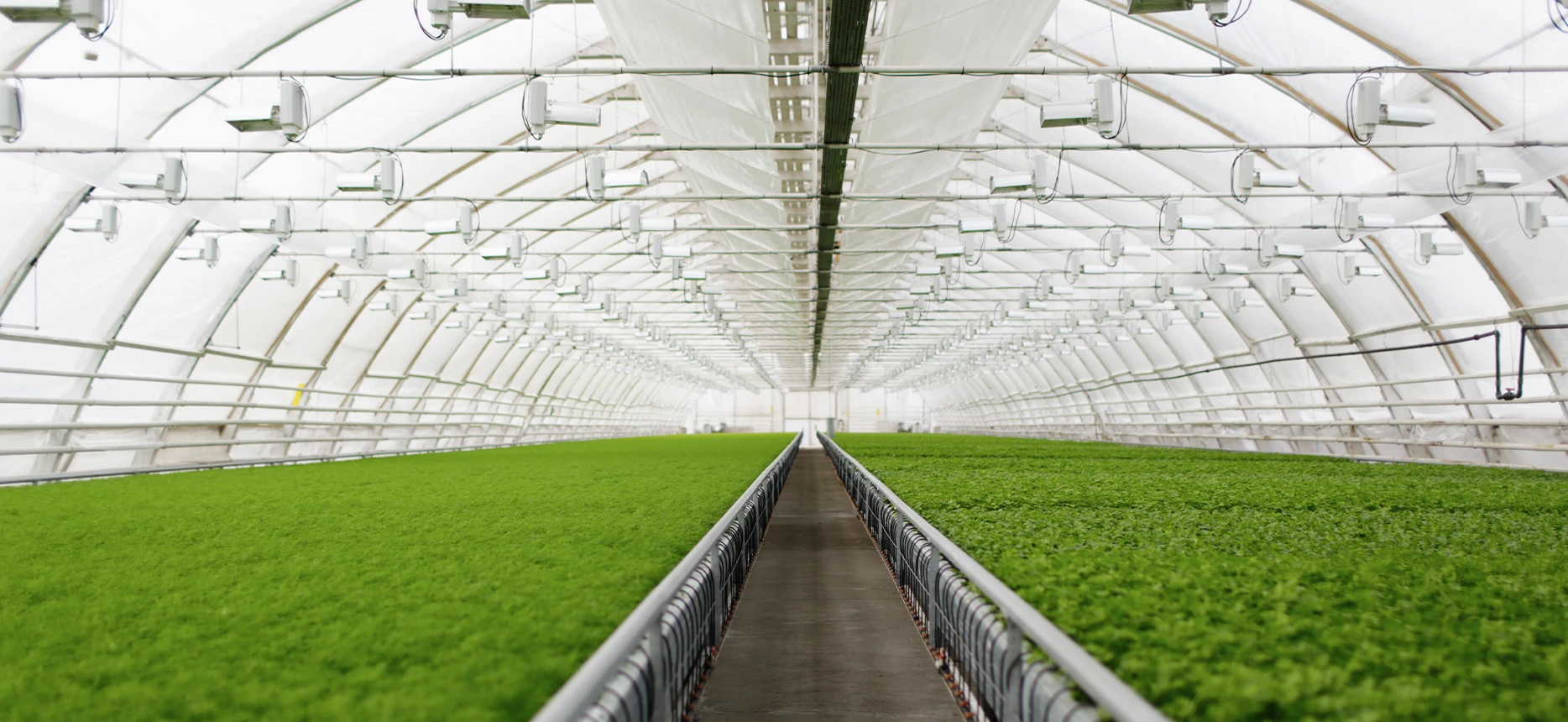
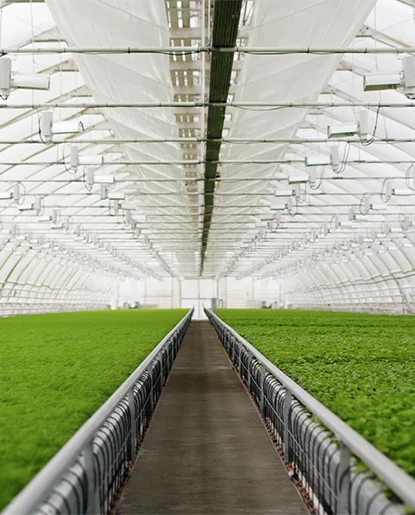
ApplicationHydroponics GardeningGrowing Mediums Gardening &Horticulture Hydroponics&Aquaponics Agricultur al&Greenhouse
-

-
ApplicationHydroponics GardeningGrowing Mediums Gardening &Horticulture Hydroponics&Aquaponics Agricultur al&Greenhouse
 Industrial
Minerals
Industrial
Minerals
 Hydroponics
Gardening
Hydroponics
Gardening